A Comprehensive Guide to Technical Optimisation SEO for Better Rankings in 2026
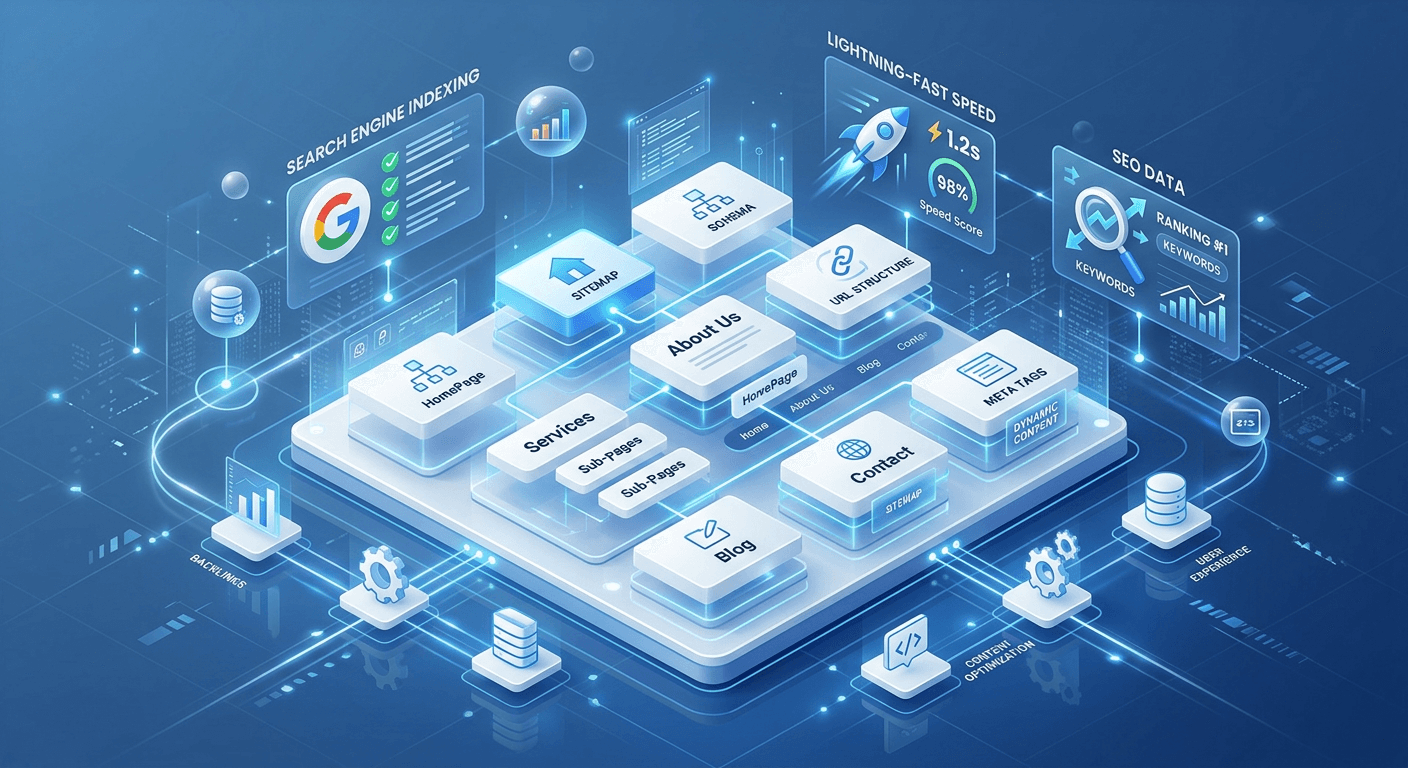
Mastering the architecture of a website is a prerequisite for long-term organic growth. While content remains king, technical foundations determine whether search engine crawlers can actually access, interpret, and index your pages effectively. Performing a thorough site-wide technical audit allows you to remove barriers that prevent your site from reaching its full visibility potential, ensuring that your digital infrastructure supports your broader marketing objectives.
Quick Summary {#quick-summary}
Technical optimisation SEO involves refining the underlying framework of a website to improve crawlability, indexing, and page speed. By addressing structural vulnerabilities, you ensure that search engines can easily navigate your content and rank it based on user intent and performance metrics.
- Fix crawl errors and broken links.
- Optimize core web vitals for speed and interactivity.
- Implement structured data for enhanced search result appearance.
- Prioritize mobile-first indexing and responsive design.
Table of Contents {#table-of-contents}
- Quick Summary
- Auditing Your Current Site Architecture
- Improving Crawlability and Indexation
- Enhancing Page Speed and Core Web Vitals
- Common Pitfalls and Troubleshooting
- Frequently Asked Questions
- Recommended Reads
Auditing Your Current Site Architecture {#auditing-your-current-site-architecture}
Before implementing changes, you must establish a baseline. Auditing your site involves utilizing automated tools to identify orphan pages, duplicate content, and server-side issues. A comprehensive audit examines the HTTP status codes returned by your server, highlighting 4xx (client errors) and 5xx (server errors) that drain your crawl budget and frustrate users. Understanding your site's privacy requirements and ensuring your technical setup aligns with data security standards is the first step in a professional audit.
Effective site architecture relies on a flat structure, where no important page is more than three clicks away from the homepage. During the audit, map your internal linking structure to ensure that high-authority pages pass link equity to deeper service or product pages. If your site structure is bloated or disconnected, search engines may struggle to assign importance to your most critical content, leading to suboptimal rankings regardless of how high-quality your text is.
Improving Crawlability and Indexation {#improving-crawlability-and-indexation}
Search engine bots have a finite amount of time to spend on your domain, known as the crawl budget. To maximize the impact of your SEO optimisation website, you must guide these bots toward your most valuable content. This is primarily achieved through the strategic use of an XML sitemap and a correctly configured robots.txt file. A clean sitemap acts as a roadmap for search engines, while robots.txt provides explicit instructions on which parts of your server should remain private.
Canonicalization is another critical layer of indexation management. When multiple versions of a page exist - such as those with URL parameters for tracking - you must specify the preferred version to avoid duplicate content penalties. Implementing canonical tags tells search engines exactly which URL should be indexed, consolidating your ranking signals. By reviewing the terms associated with your site performance and ensuring all technical disclosures are transparent, you maintain a healthy relationship with crawlers.
Enhancing Page Speed and Core Web Vitals {#enhancing-page-speed-and-core-web-vitals}
Performance metrics are now central to how search engines perceive the quality of a user experience. Core Web Vitals measure loading performance, interactivity, and visual stability. To optimize these, focus on minimizing render-blocking resources, compressing images, and leveraging browser caching. High-performance websites are not merely faster for the sake of speed; they directly correlate with higher conversion rates and lower bounce rates, which are critical for improving your site’s overall standing in competitive markets.
Pro Tip: Prioritize loading the 'above-the-fold' content first. By deferring the loading of non-critical JavaScript and CSS, you can significantly improve your Largest Contentful Paint (LCP) score, which is a major ranking factor for both desktop and mobile users.
Common Pitfalls and Troubleshooting {#common-pitfalls-and-troubleshooting}
One of the most frequent mistakes is ignoring the mobile version of a site. Since modern search engines prioritize mobile-first indexing, a site that performs well on desktop but is clunky on mobile will suffer. Ensure your design is fluid and that touch targets are sufficiently spaced to accommodate mobile users.
Another pitfall is the misuse of 'noindex' or 'disallow' tags during development. It is common for developers to block search engines while building a site; however, failing to remove these tags before going live will effectively hide your site from existence. Always verify your 'robots.txt' and meta-robot tags after any major deployment to ensure your pages remain accessible.
Frequently Asked Questions {#frequently-asked-questions}
How often should I perform technical SEO audits?
Ideally, you should conduct a comprehensive technical audit once per quarter, or after any major changes to your site architecture or CMS updates. Constant monitoring for broken links and 404 errors is recommended on a monthly basis.
What is the most important technical factor for ranking?
While no single factor guarantees success, page speed and mobile-friendliness are critical. If your site takes longer than three seconds to load, you are likely losing a significant portion of your potential traffic before they ever see your content.
Does HTTPS matter for SEO?
Yes, secure connections are a baseline requirement. Search engines prioritize websites that use SSL certificates, and modern browsers will flag non-secure sites, which severely impacts user trust and search rankings.
How do I handle duplicate content across my site?
Use canonical tags to tell search engines which version of a page is the 'master' copy. This consolidates ranking signals and prevents the search engine from getting confused by multiple versions of the same information.