A Guide to Analyzing SEO Site Performance
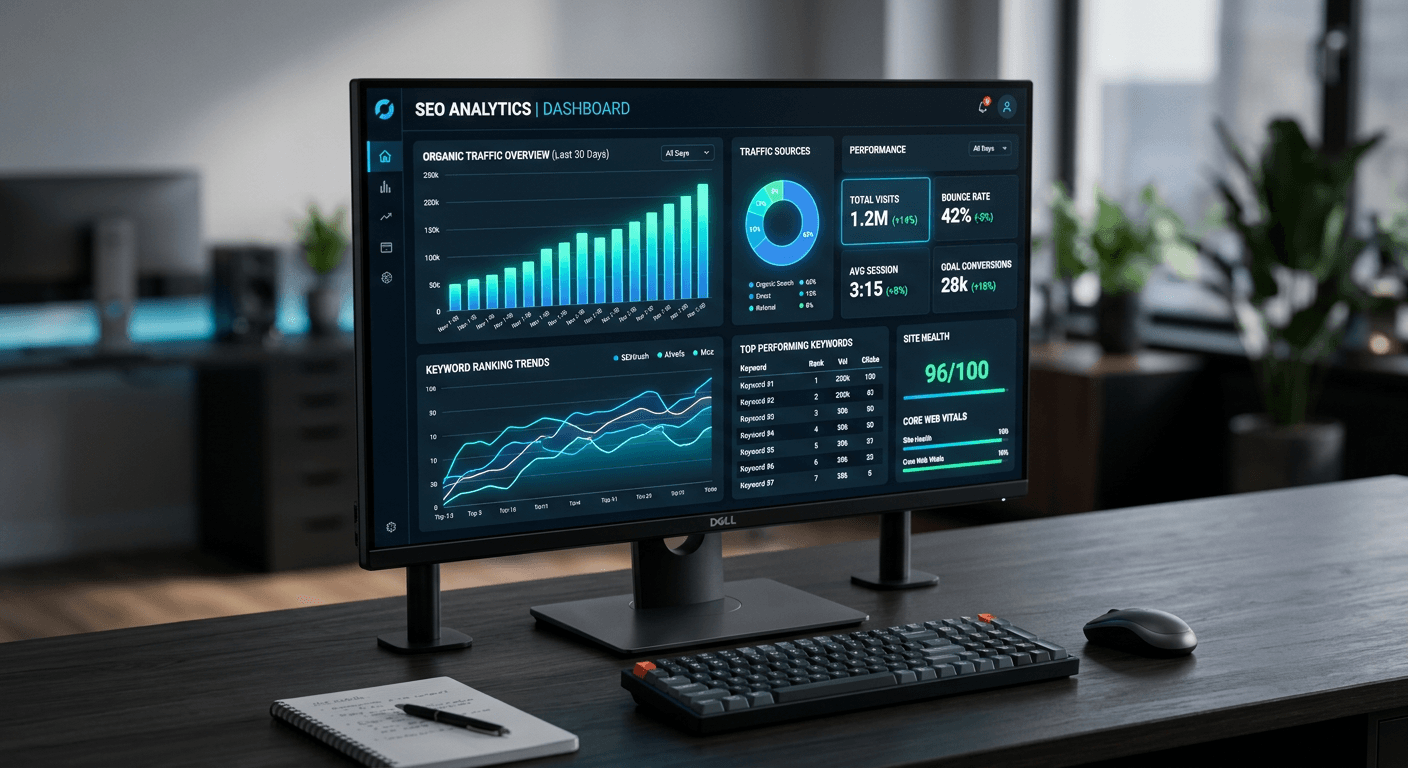
Analyzing SEO site performance is a critical technical process that transforms raw data into actionable intelligence. By utilizing an seo site analyzer, webmasters can identify structural bottlenecks, indexation errors, and content gaps that prevent a domain from reaching its full organic traffic potential.
Quick Summary {#quick-summary}
An SEO site analyzer is a diagnostic software utility designed to audit website health by evaluating technical configurations, on-page optimization, and backlink authority. These tools identify performance-inhibiting factors to improve search engine rankings.
- Automated identification of crawl errors and broken links.
- Assessment of core web vitals and mobile responsiveness.
- Evaluation of keyword density and semantic relevance.
- Analysis of competitive backlink profiles for authority growth.
Table of Contents {#table-of-contents}
- Quick Summary
- The Role of an SEO Site Analyzer
- Technical SEO Foundations
- Content Optimization and Semantics
- Analyzing Competitive Benchmarks
- Actionable Workflow for Site Audits
- Comparison Table: SEO Analysis Tools
- FAQ
- Recommended Reads

The Role of an SEO Site Analyzer {#the-role-of-an-seo-site-analyzer}
Choosing the right seo analyzer website tool serves as the foundation for any successful digital marketing strategy. These platforms act as a bridge between complex search engine algorithms and the practical adjustments required to improve visibility. By parsing thousands of data points, these tools highlight issues that are invisible to the naked eye, such as orphaned pages or non-indexed subdirectories.
When you decide to analyse website for seo, you are essentially conducting a health check on your digital infrastructure. An effective tool provides a comprehensive overview of how search engine crawlers perceive your pages. Understanding these metrics helps you prioritize high-impact fixes that yield the fastest return on investment regarding rankings and organic reach.
Pro Tip: Focus first on fixing critical errors flagged by your analyzer—such as 404 status codes or redirect chains—before moving on to cosmetic content changes or keyword stuffing. Infrastructure stability is a primary ranking signal.
Technical SEO Foundations {#technical-seo-foundations}
Technical performance is the bedrock of search visibility. If a crawler cannot access or interpret your content, your on-page efforts will likely yield little to no results. An seo analyse website tool typically begins its audit here, examining server responses, robots.txt files, and XML sitemaps to ensure a seamless indexing process.
Beyond basic crawlability, these tools evaluate load speeds and mobile-first indexing compliance. If you want to learn more about our commitment to secure data handling during these processes, it is important to note that technical SEO is not a one-time task but a continuous monitoring cycle. Ensuring that your site's architecture remains lightweight and logical is essential for long-term success.
Content Optimization and Semantics {#content-optimization-and-semantics}
While technical health gets the crawler to your site, content keeps the user engaged. When you use an seo site analyzer to evaluate your pages, pay close attention to H1-H3 header hierarchies and keyword distribution. Modern search engines are increasingly sophisticated at understanding semantic context rather than just exact-match keywords.
An effective analysis should identify if your content answers the user's search intent or if it is thin and redundant. If you are looking to refine your strategy, check our operational terms to better understand how content delivery intersects with user engagement metrics. A well-optimized page provides clear value, utilizes internal links effectively, and maintains a balanced keyword density without compromising readability.
Analyzing Competitive Benchmarks {#analyzing-competitive-benchmarks}
SEO is inherently relative; your performance is judged against the top results for your target queries. When you analyse seo site gratuit or use a paid suite, you should always include a competitor analysis module. This helps you identify the backlink gaps and authority signals your competitors are leveraging to outrank you.
Understanding the off-page authority profile of the top three competitors allows you to set realistic goals for your own domain. Look for the quality of their referring domains, the anchor text distribution, and the topical authority they hold in your niche. If you are starting your digital journey, visit our main page to understand how to align your site goals with industry standards.
Actionable Workflow for Site Audits {#actionable-workflow-for-site-audits}
To maximize the value of your SEO analysis, follow a structured workflow. Start by running a full crawl to generate an error report. Sort these errors by severity, focusing on those that block indexing. Once the technical foundation is secure, proceed to analyze your high-priority landing pages for keyword alignment and user experience issues.
Finally, implement a regular monitoring schedule. SEO is dynamic; what ranks today might be affected by an algorithm update tomorrow. By maintaining a log of your site performance and the changes you make, you can isolate the variables that contribute to your ranking progress. Never change multiple elements simultaneously, as this makes it impossible to determine which adjustment drove the improvement or decline.
Comparison Table: SEO Analysis Tools {#comparison-table-seo-analysis-tools}
| Feature | Basic Free Analyzers | Advanced SEO Suites | Enterprise Platforms |
|---|---|---|---|
| Crawl Depth | Shallow | Deep / Unlimited | Extensive / API access |
| Keyword Tracking | Limited | Daily tracking | Real-time monitoring |
| Backlink Data | Minimal | Comprehensive | Granular / Historical |
| Technical Audit | Yes | Yes (Detailed) | Automated Reporting |
| Cost | Free/Low | Moderate | High |
FAQ {#faq}
How often should I use an SEO site analyzer?
For most small to medium sites, a comprehensive monthly audit is sufficient. However, if you are undergoing a site migration or frequent content updates, run a crawl weekly to catch issues early.
Can I use an seo analyse website tool to fix everything automatically?
No. These tools identify issues and provide recommendations, but manual intervention is required to implement the changes and ensure the user experience remains high-quality.
Is it necessary to pay for an SEO analyzer?
Free tools are excellent for basic diagnostics and technical checks. If you need competitor backlink intelligence, large-scale keyword tracking, or detailed historical trend data, professional suites are often necessary.
Do SEO tools directly improve my ranking?
No, tools are diagnostic. Your ranking improves based on the actions you take to correct the problems identified by the tool.