Top 6 SEO analyzer website tools to boost your 2026 search performance
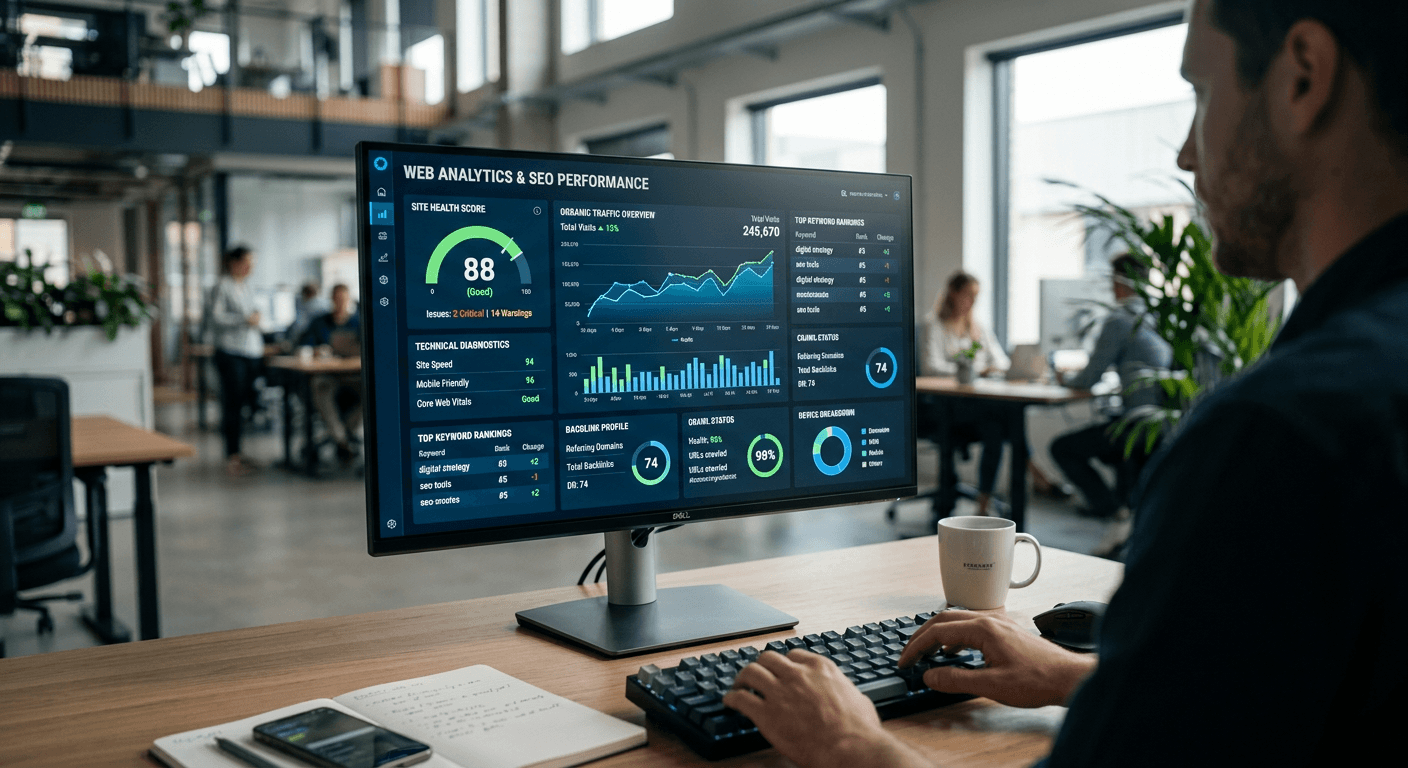
Selecting the right seo analyzer website tool is a critical decision for any digital strategy, as these platforms provide the diagnostic data necessary to compete in modern search results. By leveraging a high-quality seo site analyzer, teams can identify technical debt, crawl errors, and content gaps that prevent pages from achieving top rankings. Whether you are an independent site owner or managing a large-scale e-commerce architecture, using a reliable website seo checker is the most efficient way to maintain a healthy search presence in 2026.
Quick Summary {#quick-summary}
An seo website scanner provides comprehensive technical and content audits to improve search engine visibility and user experience. By identifying crawlability issues, backlink quality, and keyword optimization, these tools help businesses refine their online presence.
- Technical auditing capabilities for crawl speed and indexing.
- Content optimization suggestions for improved topical authority.
- Backlink analysis to identify quality referring domains.
- Competitive intelligence for better market positioning.
Table of Contents {#table-of-contents}
- Quick Summary
- Professional SEO Audit Suites
- Specialized Technical Crawlers
- Content-First Optimization Tools
- How to Choose the Right SEO Analyzer
- FAQ
- Recommended Reads

Professional SEO Audit Suites {#professional-seo-audit-suites}
Comprehensive suites are designed for enterprise-level management, offering an all-in-one approach to site health. These tools act as a central hub where users can track keyword rankings while simultaneously conducting site-wide technical audits. The value proposition here is consolidation - removing the need to manage five different subscriptions for individual metrics.
Professional suites often include robust API access, allowing technical teams to integrate data directly into internal reporting dashboards. When you review your terms of service, you will find that these platforms usually offer granular permissions, making them ideal for agency environments where client access levels must be strictly managed.
Enterprise All-in-One Platforms
- Pros: Unified reporting, deep keyword research, and historical data tracking.
- Cons: Steep learning curve and higher monthly subscription costs.
- Best For: Agencies and mid-to-large marketing teams requiring holistic data.
Specialized Technical Crawlers {#specialized-technical-crawlers}
When the primary objective is finding broken redirects, missing meta tags, or bloated JavaScript, specialized web seo checker tools are superior to general suites. These scanners focus on the "engine room" of your website. They mimic search engine spiders, providing a raw look at how your architecture is structured and how easily your content is discovered by bots.
By focusing strictly on crawl performance, these tools help developers diagnose complex rendering issues. A deep privacy policy implementation or complex schema markup, for instance, might be easier to troubleshoot using a dedicated crawler that provides raw server response data rather than a simplified interface.
Technical Diagnostic Scanners
- Pros: Unmatched depth in site architecture analysis and server-side issue detection.
- Cons: Often lack keyword rank tracking or front-end content suggestions.
- Best For: Developers and technical SEO specialists needing granular site health data.
Content-First Optimization Tools {#content-first-optimization-tools}
Modern search algorithms prioritize entity relevance and topical depth. Content-first site seo checker tools use natural language processing to compare your pages against top-performing results. These tools provide suggestions on term frequency, semantic relevance, and content length, ensuring your pages align with user intent.
These tools are essential for writers and content strategists who want to scale production without sacrificing quality. By integrating these insights into your CMS via plugins or direct connections at https://rapidwombat.eu.com, you can streamline the workflow from content drafting to SEO optimization.
Semantic Content Analyzers
- Pros: Actionable content improvements and clear competitor benchmarking.
- Cons: Require manual implementation of suggestions; less focus on backend technical issues.
- Best For: Content marketing teams, bloggers, and SEO writers.
How to Choose the Right SEO Analyzer {#how-to-choose-the-right-seo-analyzer}
Choosing the correct tool depends on your specific technical stack and your team's expertise. Begin by assessing the size of your website; a large e-commerce site requires a robust crawler capable of handling millions of URLs, whereas a small brochure site may only need a lightweight content-focused audit tool.
Consider the integration ecosystem as well. If your team relies on specific project management software or data visualization tools, ensure your chosen platform offers native integrations or a flexible API. Finally, balance the cost against the utility; if you do not need enterprise-level keyword rank tracking, do not pay for it. Stick to specialized tools that solve your immediate pain points.
FAQ {#faq}
How often should I run a scan of my website?
For most businesses, a comprehensive monthly audit is sufficient. However, if you are undergoing a site migration or frequent content updates, weekly crawls are recommended to catch technical errors early.
Does using an SEO tool automatically improve my rankings?
No. These tools provide diagnostic data and recommendations. Rankings improve when you execute the fixes identified by the tool and produce high-quality, relevant content that satisfies user intent.
Can I use free tools instead of paid ones?
Yes. Free web seo checker tools are excellent for basic diagnostics. However, paid platforms typically offer deeper historical data, higher crawl limits, and better customer support which is often necessary for professional or scale-oriented projects.